Circular Battery
Materials for
the UK.
Phoenix Labs is building a public-facing battery materials platform for responsible reuse, refining and circular supply across the UK.
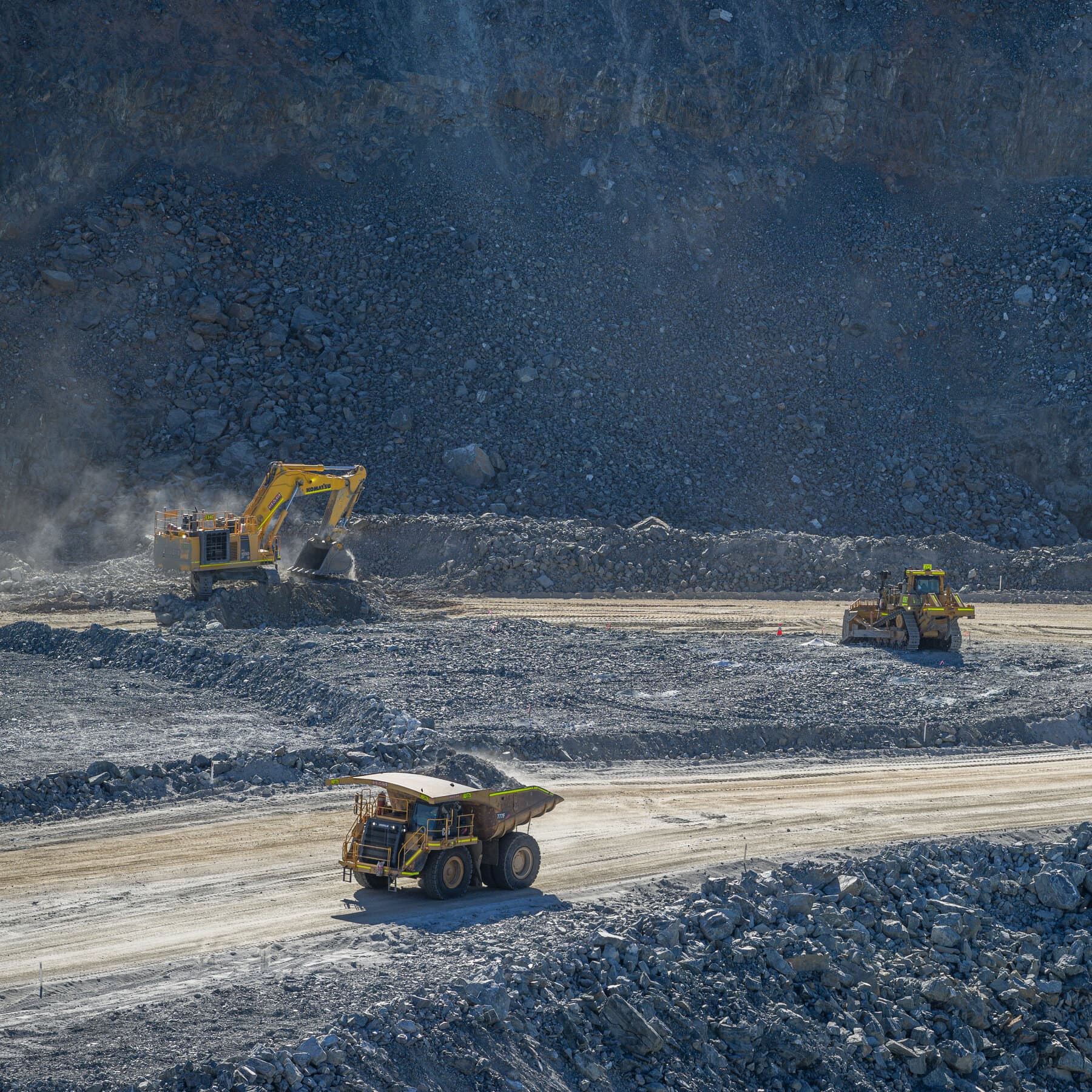
Zero Mining.
Full Circularity.
The UK has classified cobalt and lithium as high-criticality minerals. Yet today, they are imported from across the world while end-of-life batteries sit unrecycled at home and in scrapyards.
Phoenix Labs is building the domestic refining capacity the UK needs: adaptive, intelligent, and designed for the mixed-chemistry reality of the EV transition.
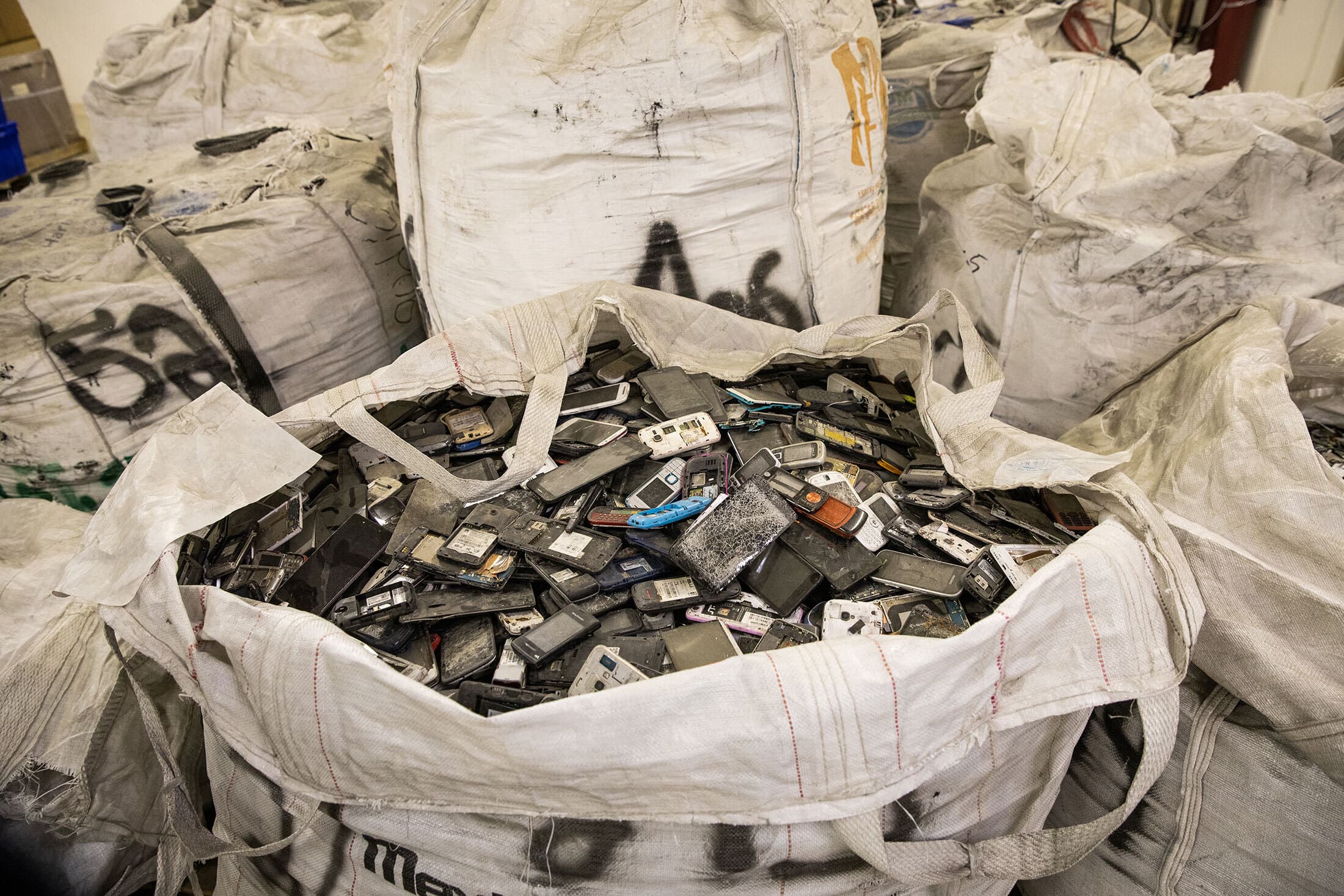
The mandatory junction
between battery return
and final outcome.
A public-facing pathway for battery owners, recyclers and manufacturers to move returned batteries toward the right next use.
Key Insight
The battery return chain has no clear decision layer between first-life exit and final outcome.
Packs should not default straight to recycling. They first need triage across repair, second-life and recycling, and Phoenix Labs is designed to make that review practical.
Integrated
Refining System
Four broad stages connect returned battery materials with responsible reuse and circular supply.
Material Preparation
Returned battery materials are prepared for downstream handling so each stream can move through the right pathway.
Separation
Different material groups are separated through a refining workflow designed for mixed battery inputs.
Refinement
Recovered streams are refined into useful material categories for circular battery supply chains.
Quality Review
Each stage is reviewed to support consistency, traceability and responsible downstream use.
Recovered Material Categories
Adaptive software
for circular materials.
Our software supports review, routing and process consistency without exposing internal methods or operating details on the public site.
How the software supports circular materials
Operating Principle
The software layer exists to support consistent decisions, clear records and responsible handling across mixed battery material streams.
Every batch gets a
dedicated process review.
Each material stream is reviewed before and after processing so decisions stay consistent and traceable.
Mixed battery materials do not behave uniformly. The public-facing goal is clear review, responsible routing and useful circular outcomes.

Recycle. Refine.
Re-build.
Three phases to full circularity. We start in the middle of the value chain and expand outwards.
Develop recycling pathways for end-of-life EV packs and battery materials.
Develop domestic refining capacity for useful battery material streams.
Support future circular supply chains by connecting recovered materials with manufacturing partners.
Powering the EV Revolution
with Zero Mining.
Whether you're a recycler, manufacturer, battery owner, investor or circular economy partner, Phoenix Labs would like to hear from you.
info@phoenixlabsuk.com